 ← All insights
The sequence nobody sees
A stand is approved before it is built. Technical drawings go to the organiser, the venue reviews them against its own rules, and only then does fabrication have a date it can work back from. Skip that order and the cost is not a redesign — it is a build-up window that has already closed.
Build-up is the constraint that surprises people most. The organiser fixes it, it is published months ahead, and it does not move because a shipment was late. Everything upstream — hall position, delivery access, the order materials arrive in — is planned against that window before anyone cuts material.
Dubai World Trade Centre
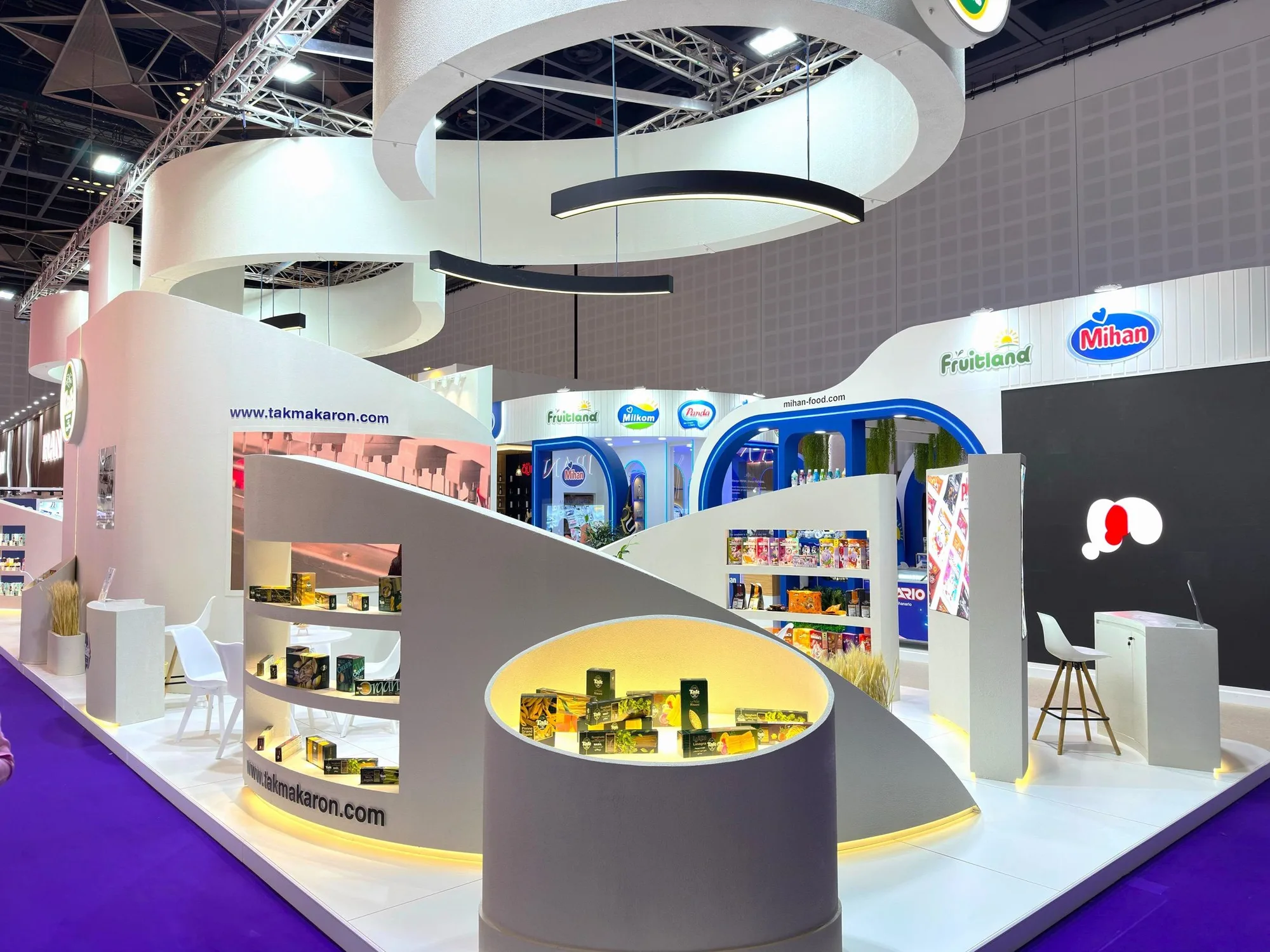
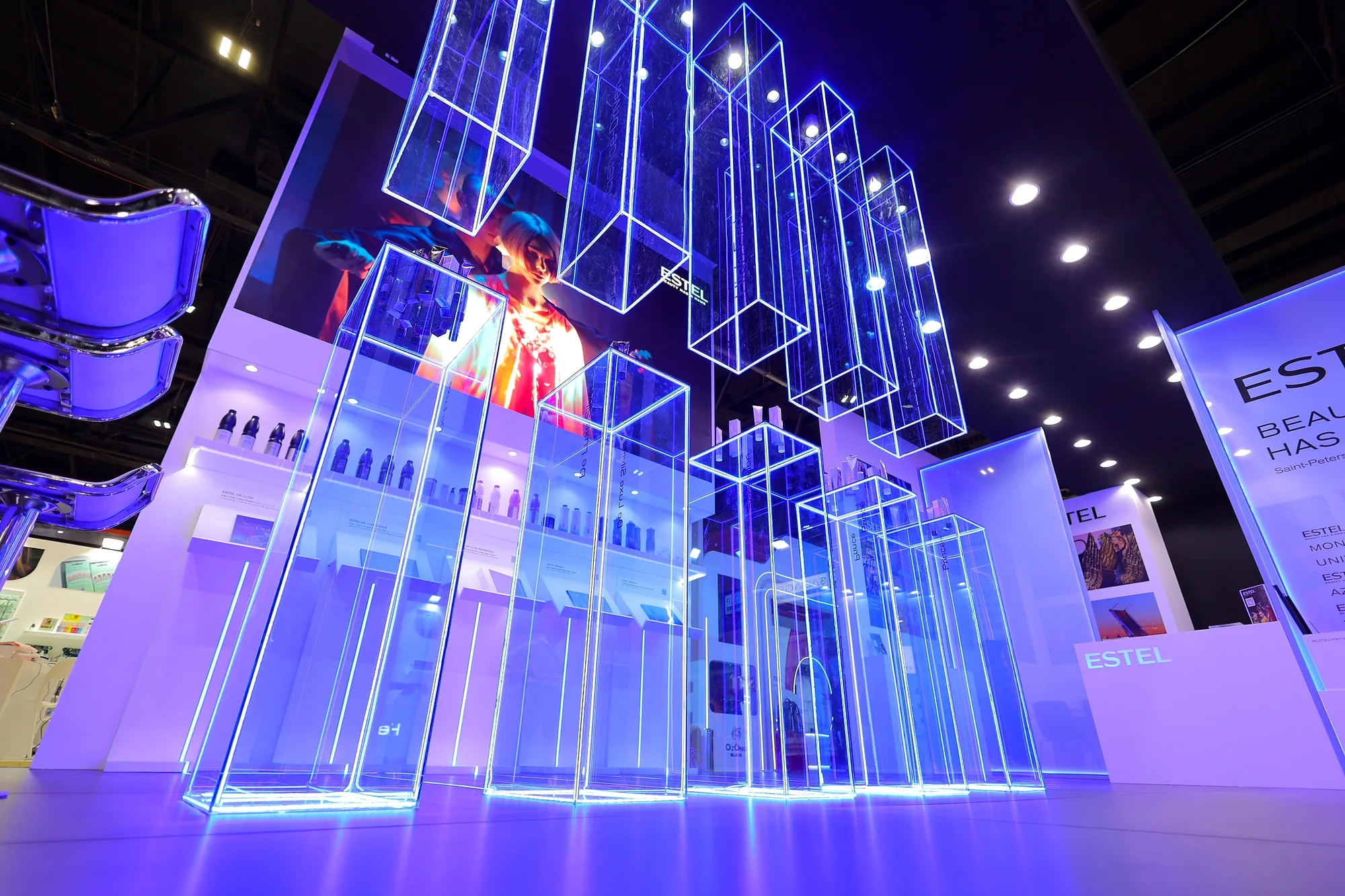
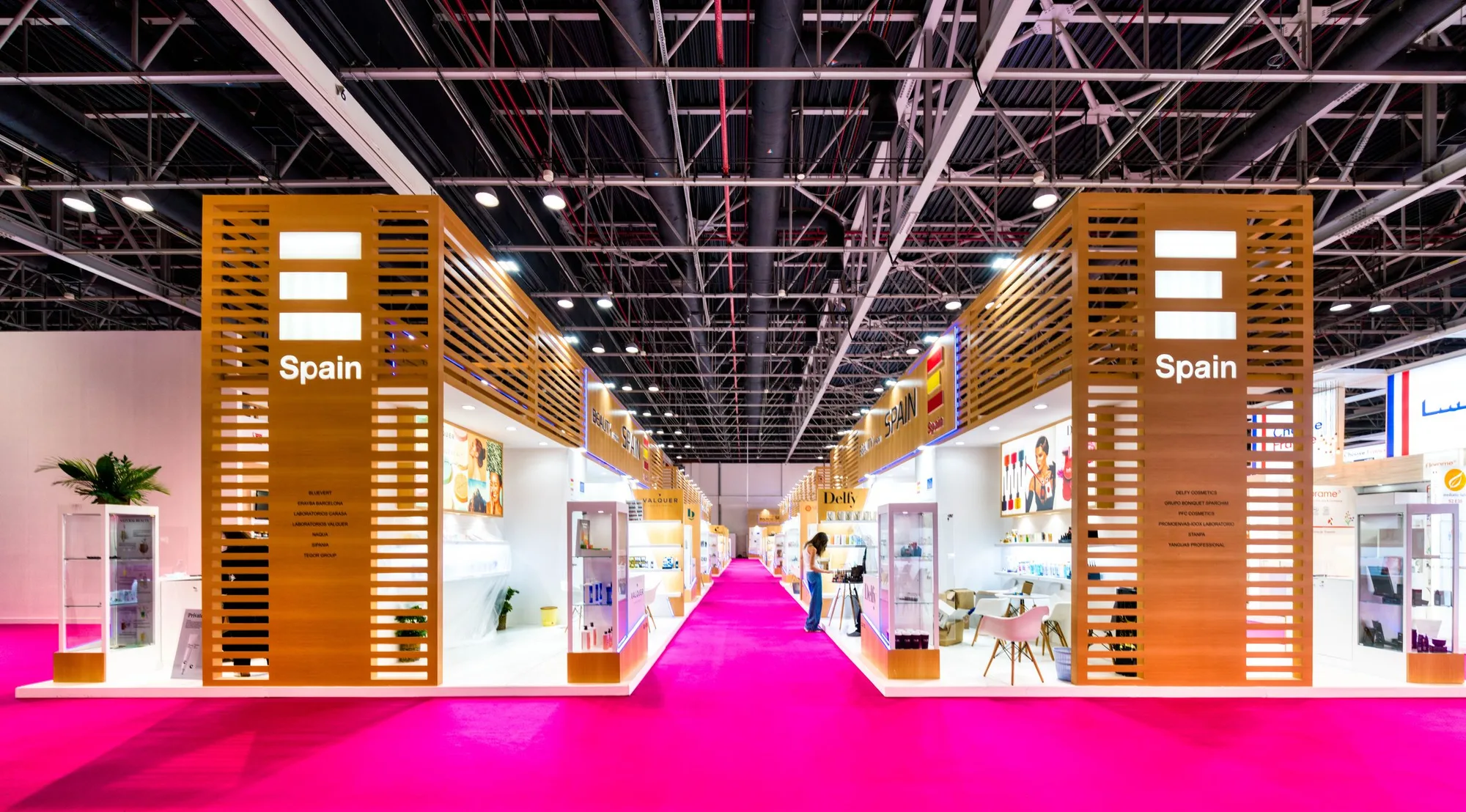
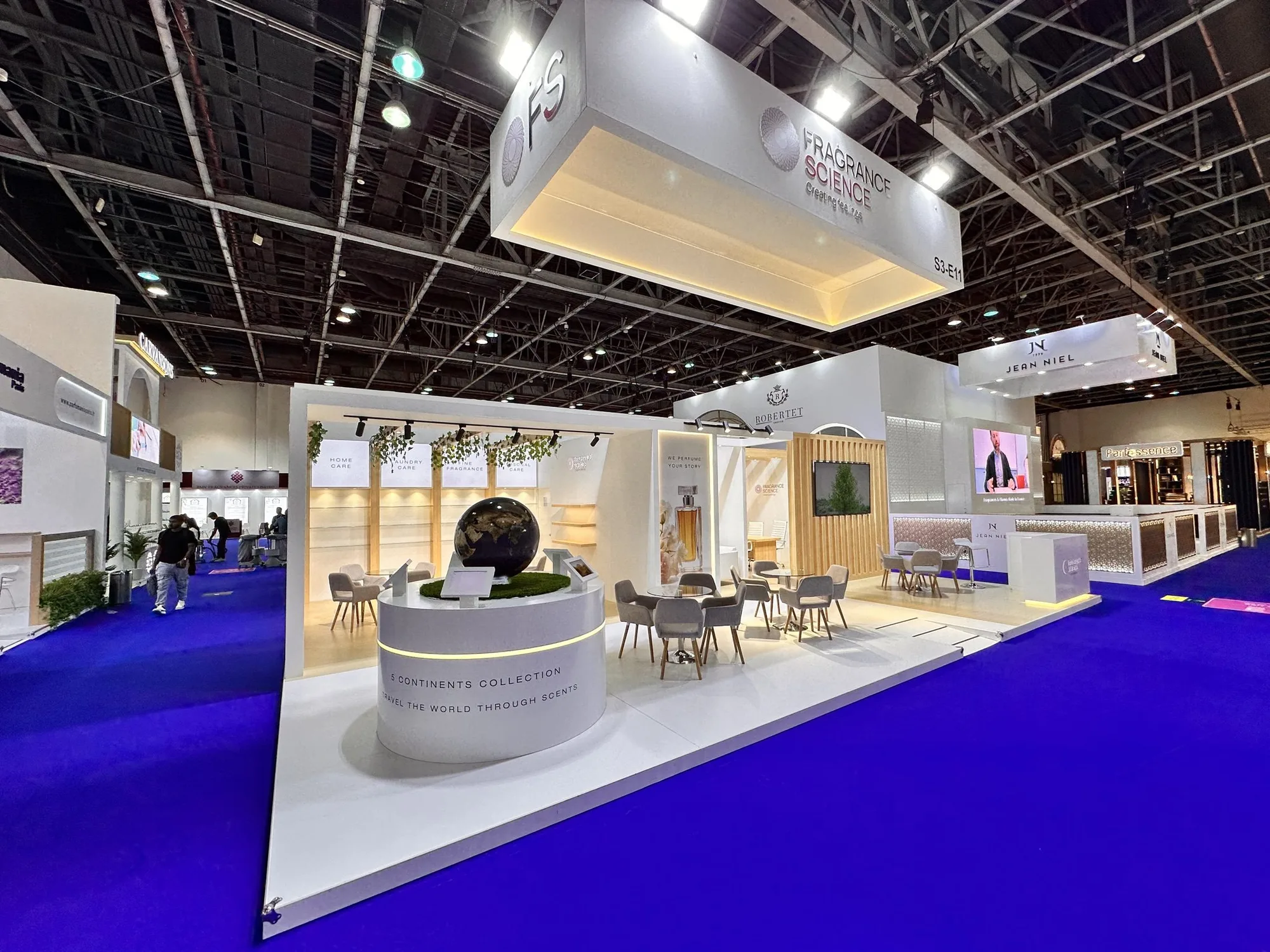
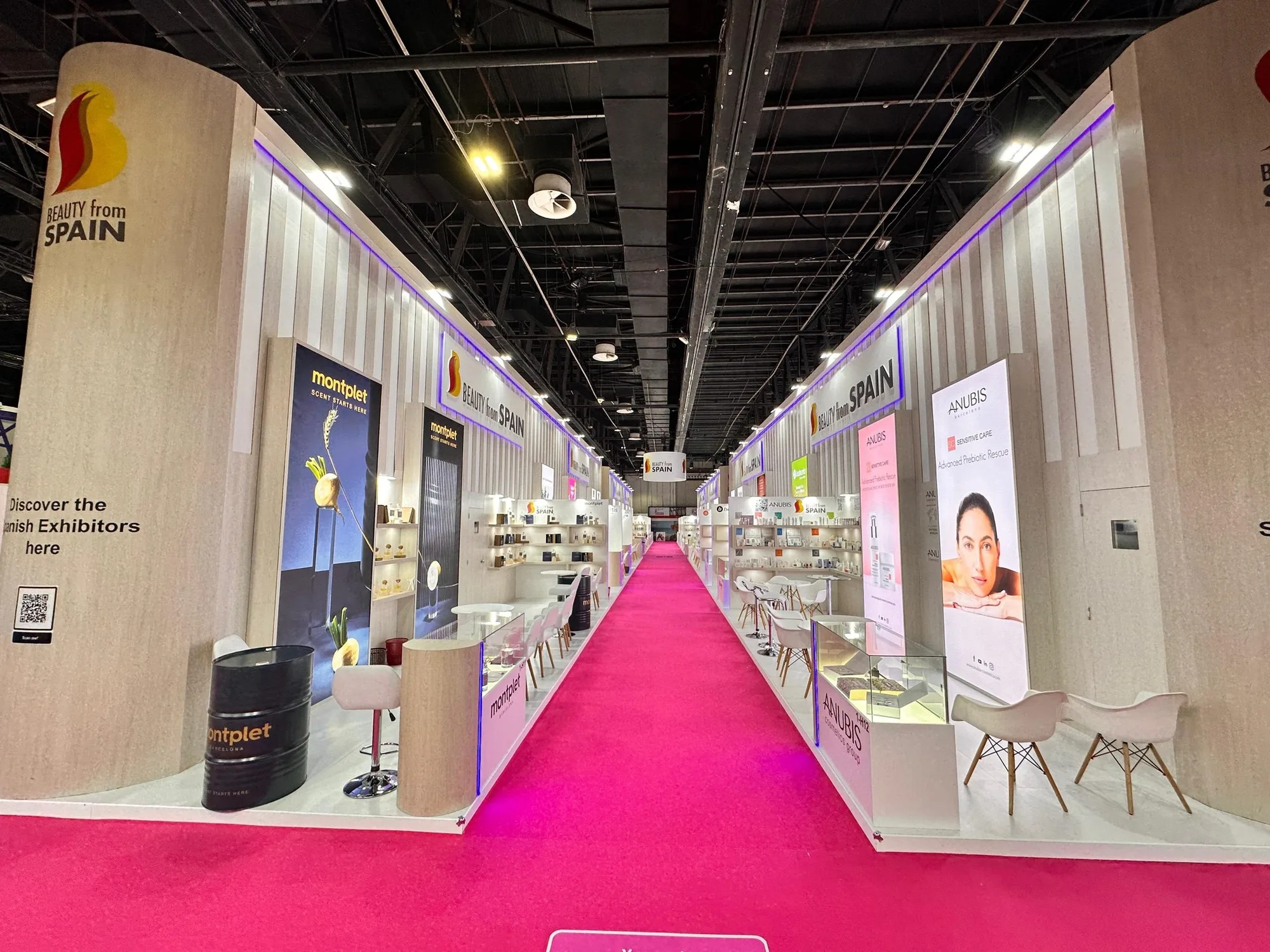
The busiest address in our calendar. Gulfood, Beautyworld Middle East, Arab Health, GITEX, Intersec, Big 5 and ArabPlast all run here, which means the halls, the access routes and the marshalling are familiar rather than discovered on arrival.
The organiser fixes the build-up window and it does not move. Hall position, delivery access and the order things arrive in are planned before fabrication starts, not after. On a large stand that sequencing is the difference between installing calmly and installing against the clock.
Because the shows here run back to back through the first quarter, floor space and contractor availability both tighten early. A Gulfood stand confirmed in January is a different project from the same stand confirmed in October.
ADNEC, Abu Dhabi
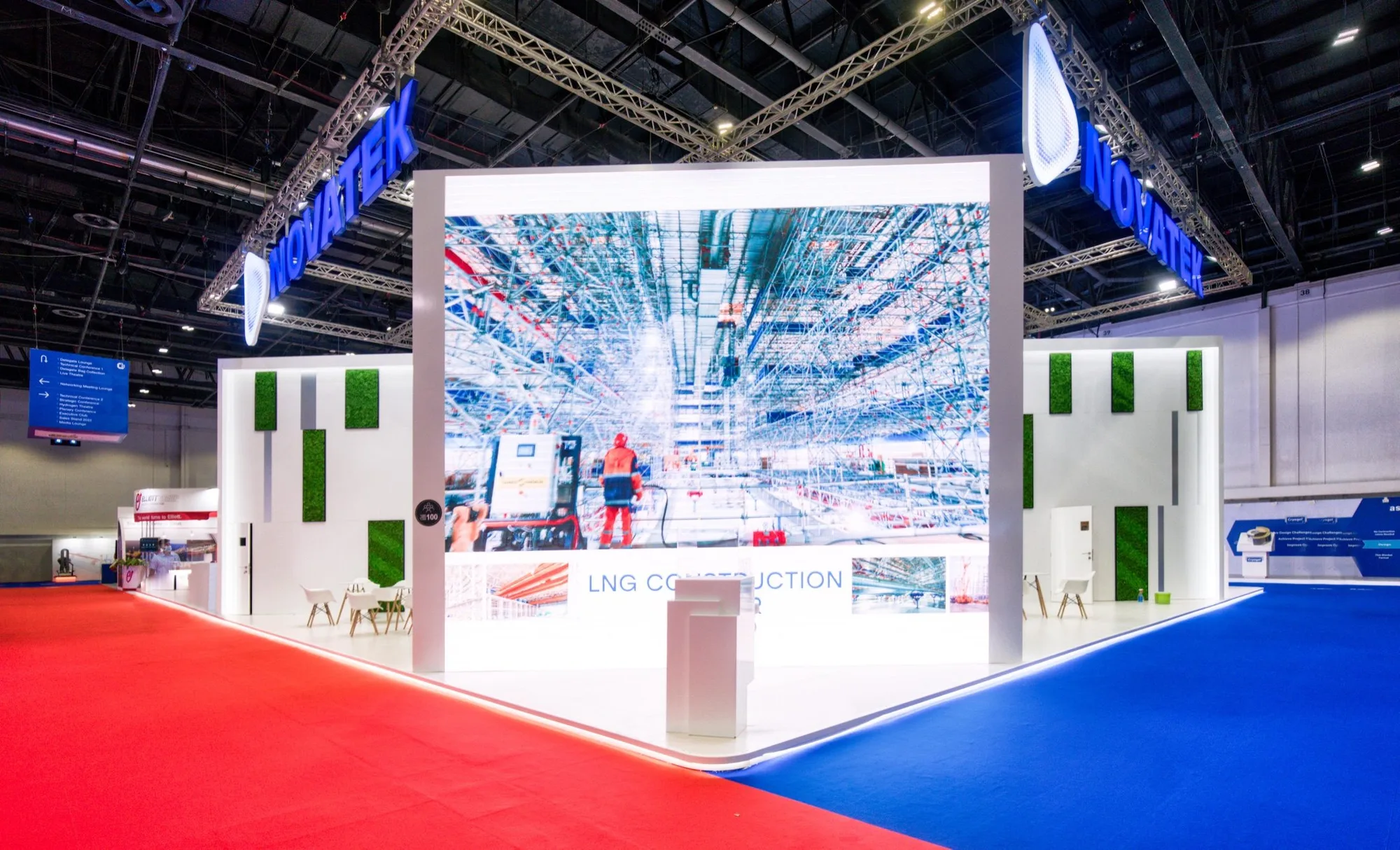
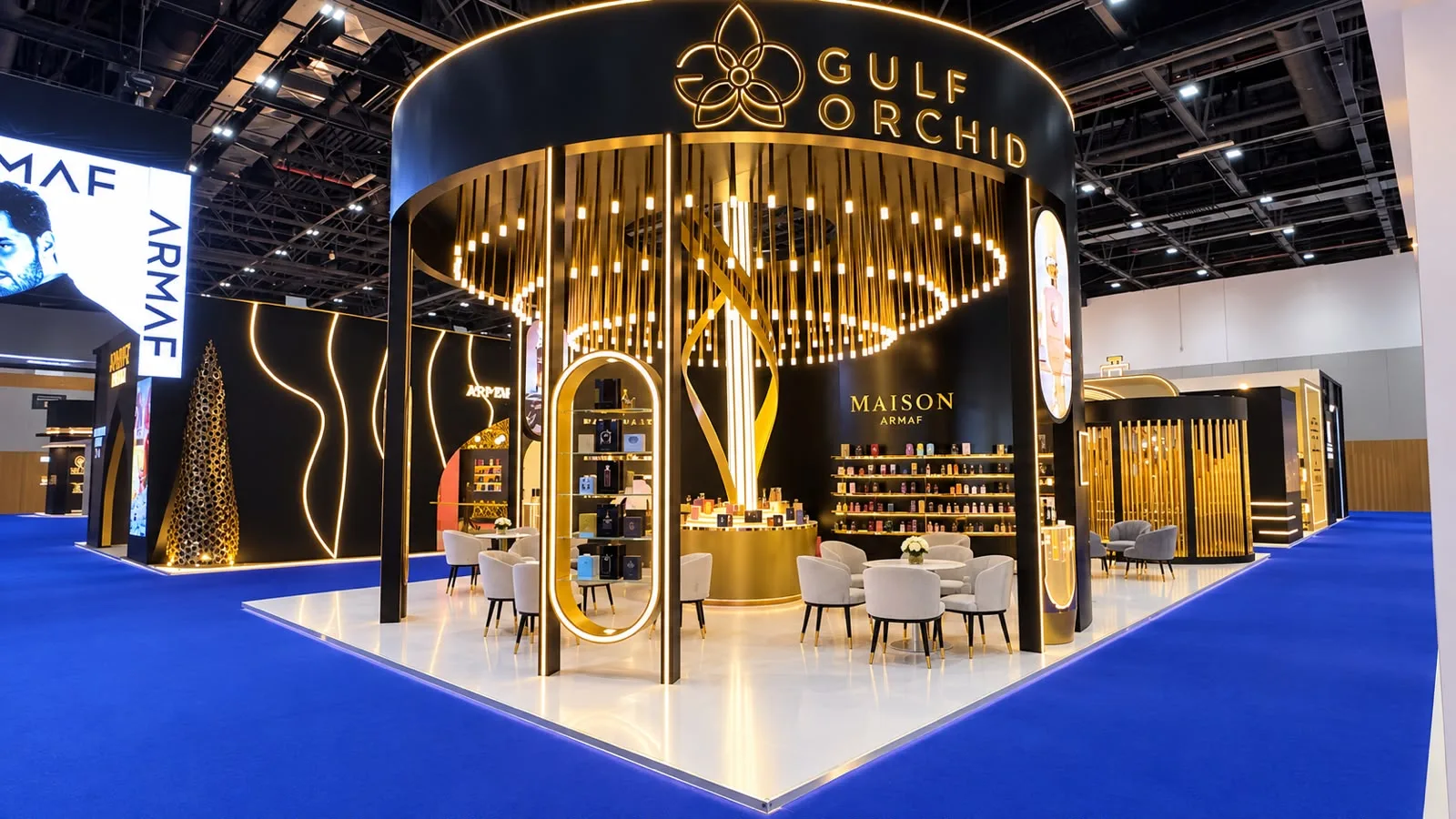
ADIPEC, IDEX and the World Future Energy Summit. These are delegation shows, and that changes what a stand has to do: more private meeting space, more hospitality, and heavier structures than a trading floor needs.
Production still runs from our Al Quoz facility, so the transport between Dubai and Abu Dhabi sits inside our own schedule rather than being handed to someone at the other end. On a stand carrying a double deck or heavy joinery, that single fact removes the most common point of failure.
Expo City and the Dubai Exhibition Centre
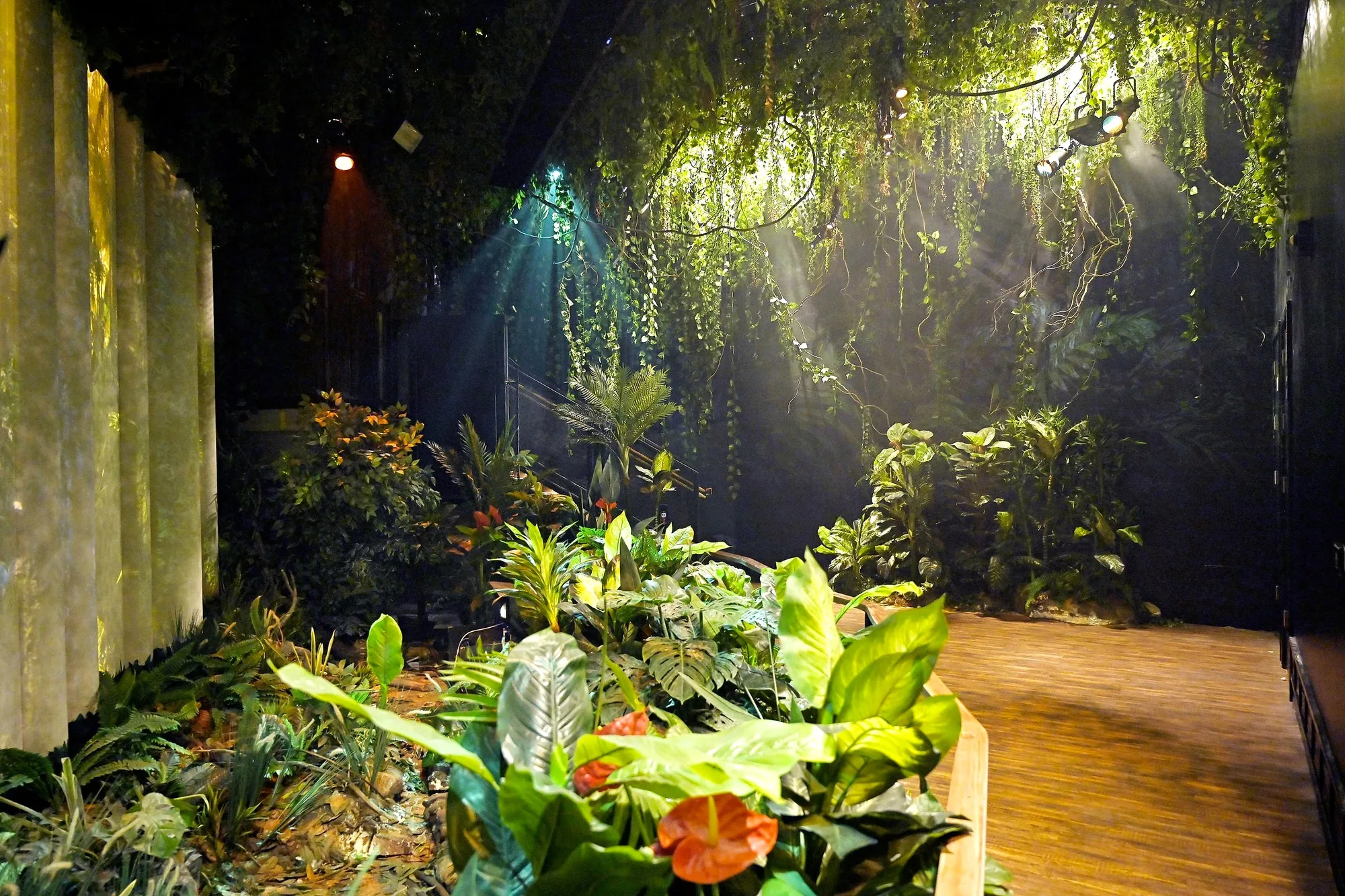
Six pavilion projects for five countries were built on this site at Expo 2020 — the Czech Republic, Estonia, Italy, Latvia and Malaysia, which had two.
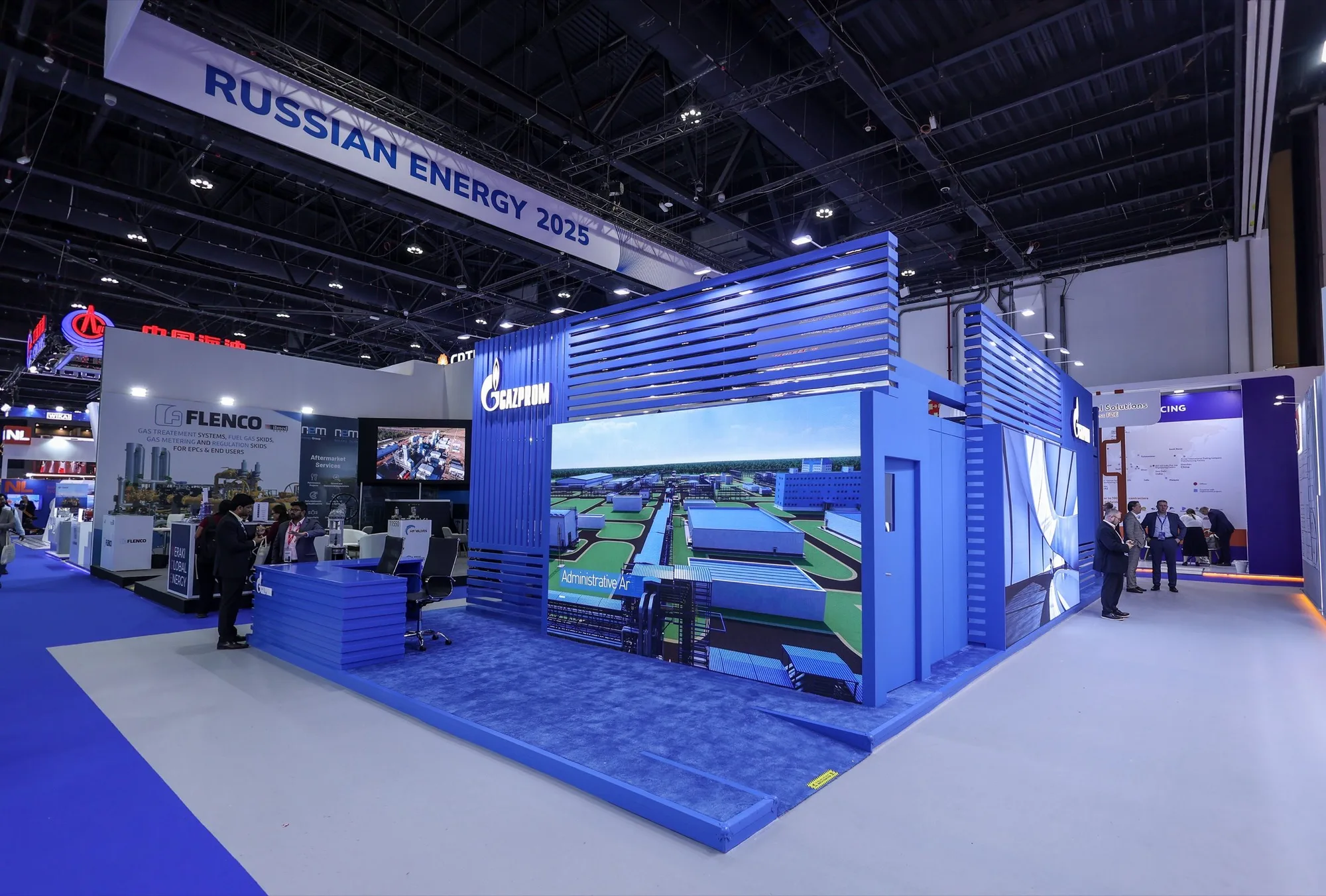
Since 2026 Gulfood has run across two venues, Dubai World Trade Centre and the Dubai Exhibition Centre. That makes hall position and build-up sequencing more important rather than less: a presence split across a site is a logistics problem before it is a design one, and the two halls do not share a build-up schedule.
Drawings, approvals and structure
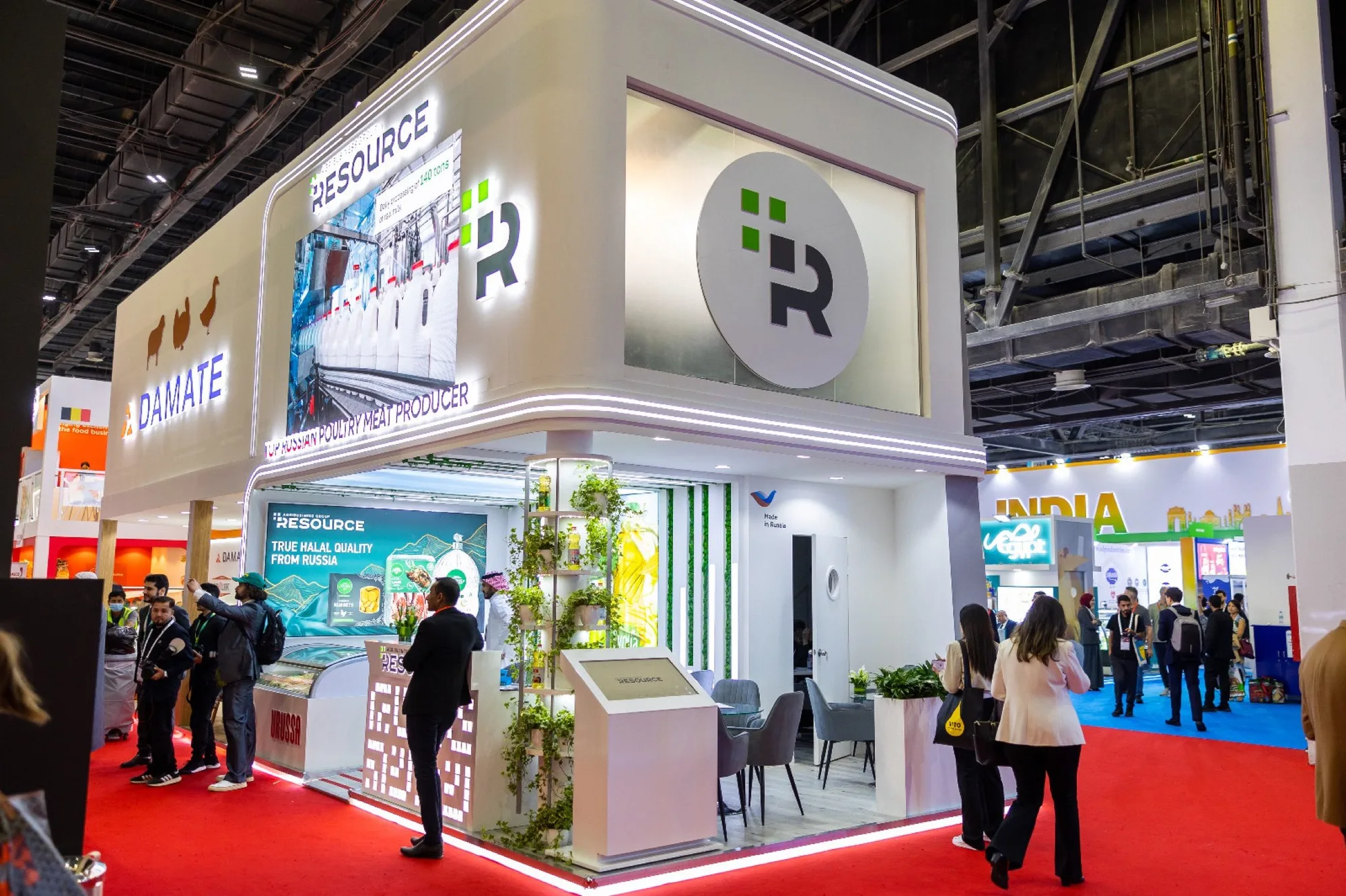
A custom stand needs approved drawings before anything is built. A double deck adds structural calculations and a separate approval on top of that, carried out by a qualified engineer and submitted in its own right.
Both take time, and that time has to be found at the start of a project rather than the end. The practical consequence: if you want a two-storey stand, the decision belongs in the first conversation, not the third.
Beauty Sky holds ISO 9001:2015 for the quality system that governs this work, and design, engineering, fabrication and installation run under one team rather than being subcontracted across several.
What to settle first
Three answers unlock the rest of the plan: which hall, how much floor area, and whether the stand is single or double storey. With those, the approval path and the build-up sequence can both be drawn, and the budget stops being a guess.
Everything else — the look, the materials, the hospitality — is design work that can run in parallel. The venue questions cannot, because they set the dates everything else answers to.