 ← All insights
1. Ask to see stands they built at your show
Not similar shows. Yours. Venue rules, build-up windows, hall heights and rigging rights differ, and a builder who has worked your show has already solved problems the newcomer will meet for the first time.
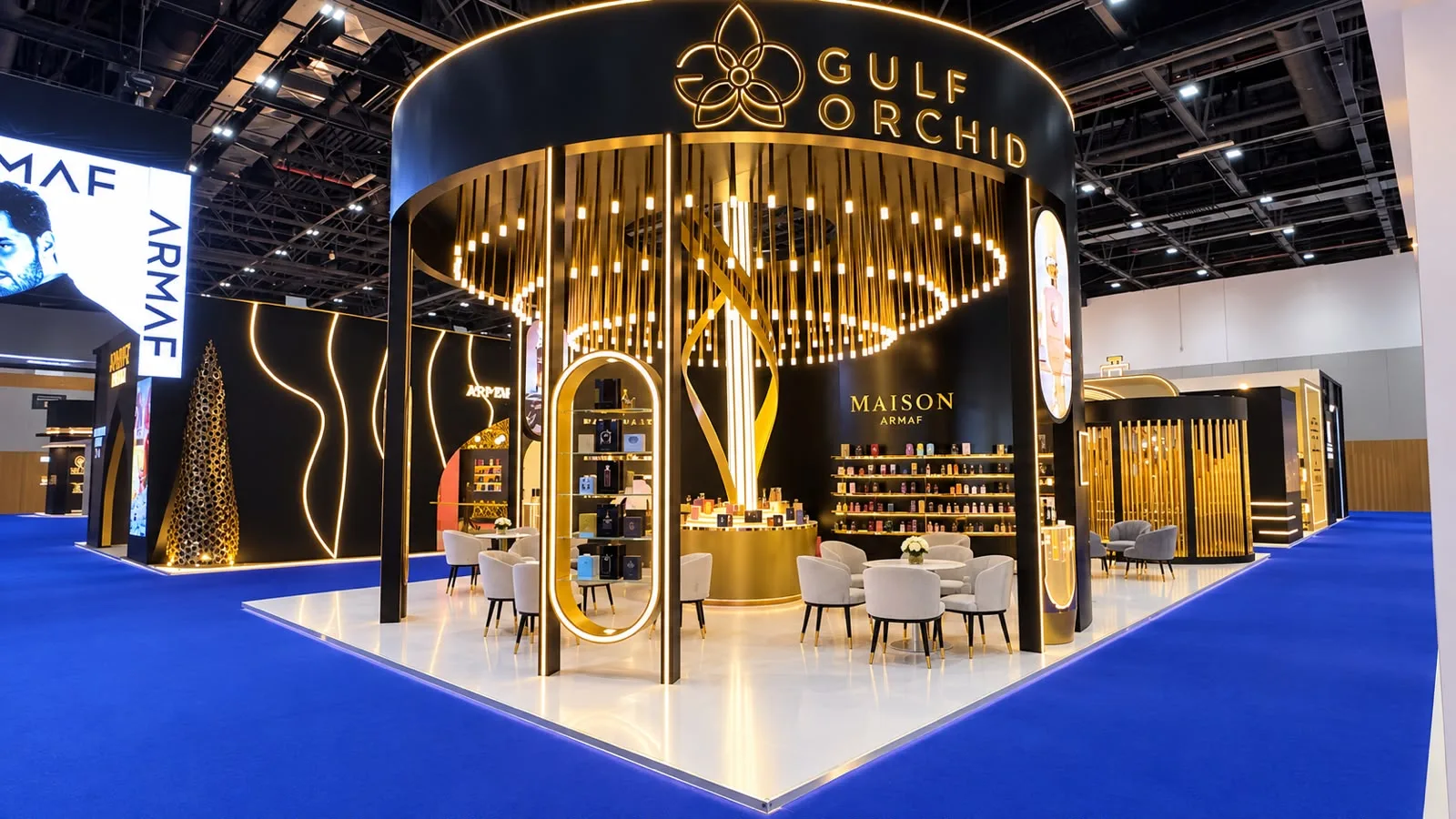
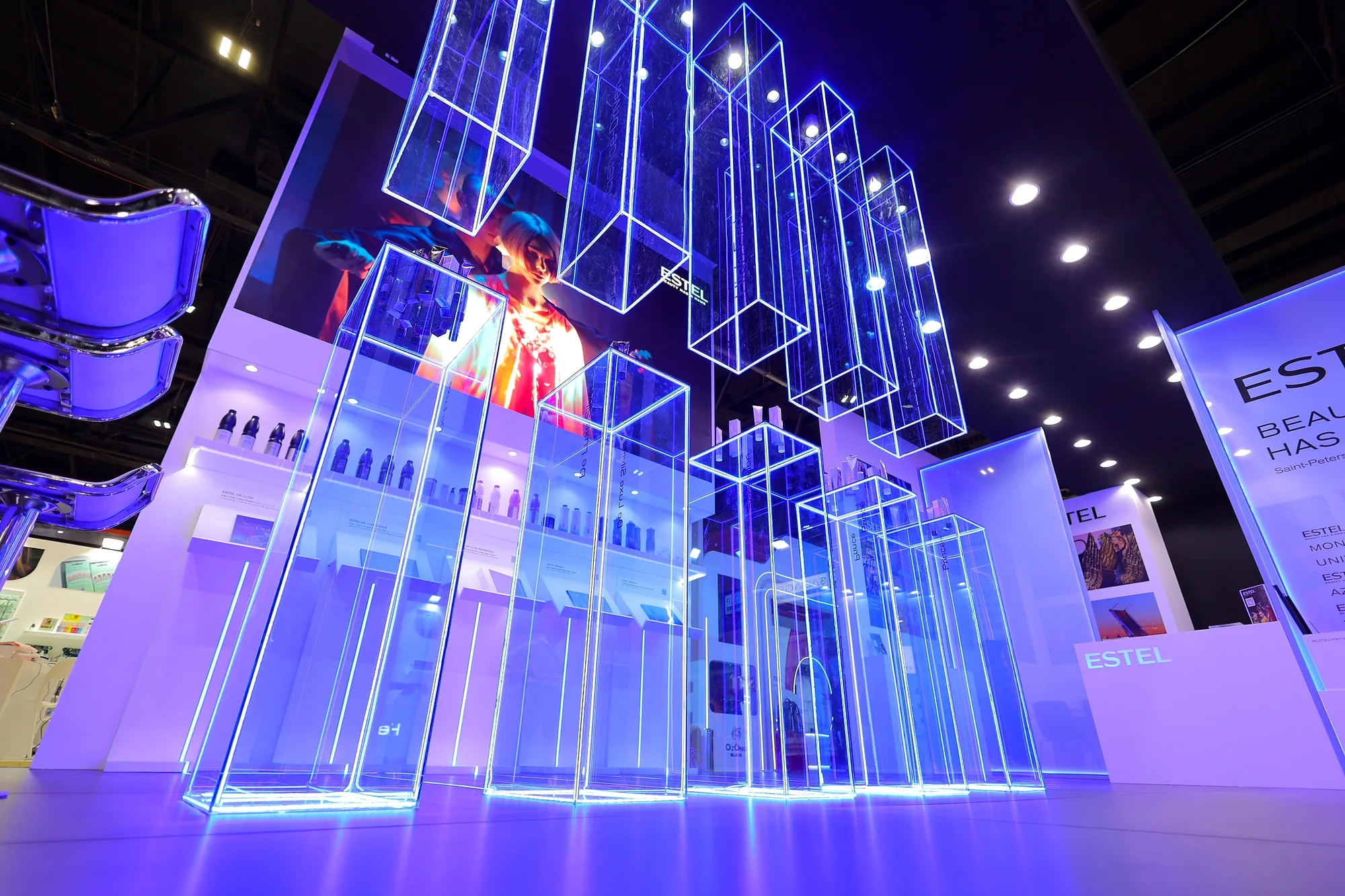
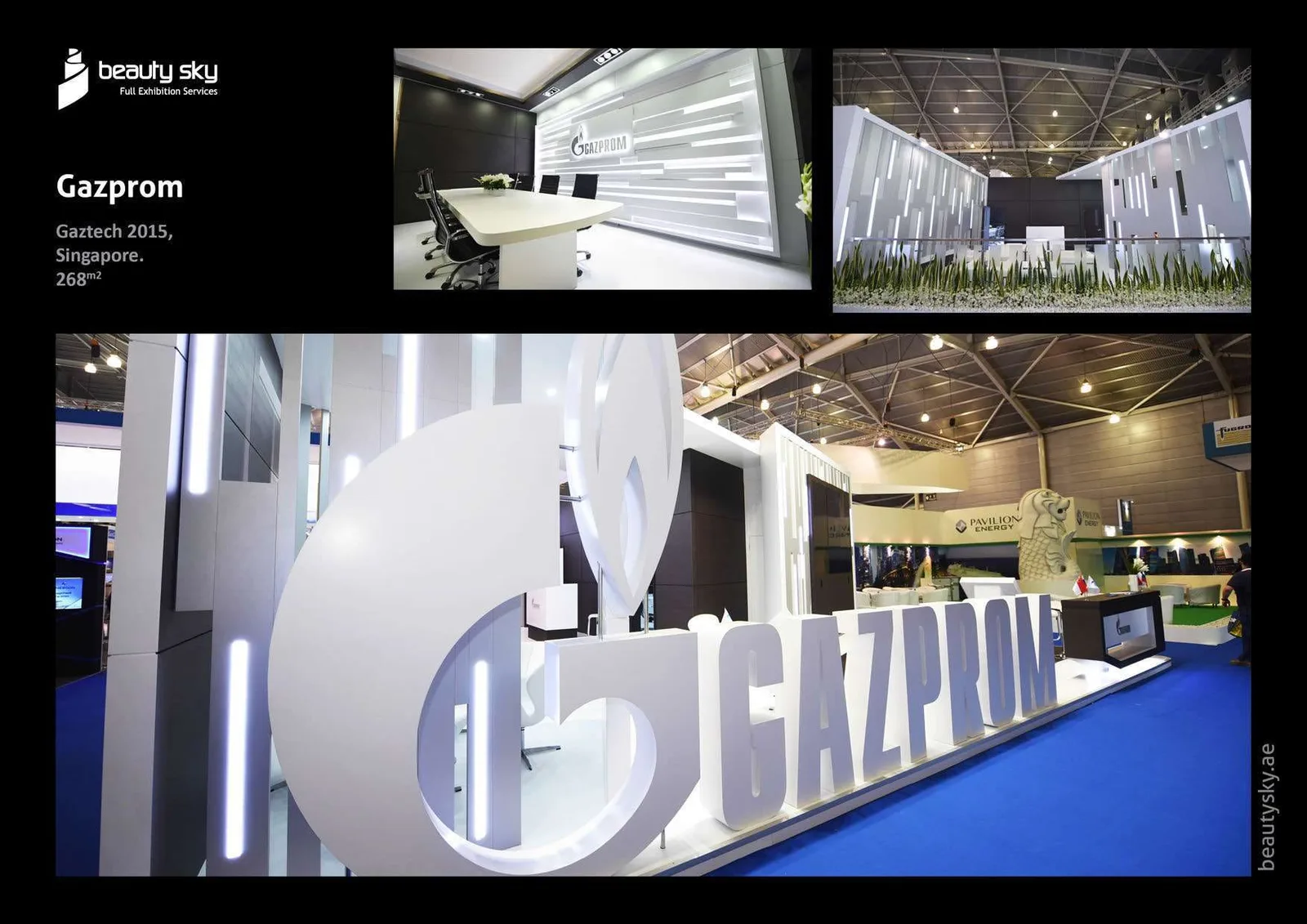
Ask for the stand number and the year, then look at photographs of the finished stand rather than the render. The gap between the two is the most honest thing a builder can show you.
2. Find out who actually builds it
Many companies design and subcontract the build. That is not automatically a problem, but it changes who answers when something is wrong at 22:00 the night before opening.
Ask where fabrication happens, whether the workshop belongs to them, and who supervises installation. Beauty Sky fabricates in its own facility in Al Quoz and installs with its own team, which is why the approved drawing and the installed stand stay the same object.
3. Ask how they handle the technical submission
In Dubai the venue approves your stand before it is built. Drawings, structural calculations, material certificates and rigging requests all sit on the organiser's calendar, and that calendar does not move.
A builder who cannot describe the submission process for your venue, or who treats the deadline as flexible, is telling you something important.
4. Compare quotations on the same line
Confirm what each price includes: design, engineering, fabrication, graphics, lighting, furniture, flooring, installation, supervision, dismantling and waste removal.
Then confirm what it excludes: space rental, electrical connection, water, rigging points, internet, cleaning, catering and organiser fees are usually paid to the venue rather than the builder.
A quotation that is 20 per cent cheaper and excludes electrics, rigging and dismantling is not cheaper. Ask for both lists in writing.
5. Ask who is on site, and when
Build-up in Dubai runs to a fixed window, often overnight. Ask who supervises, how many people are on site, and who is present on opening morning.
Ask what happens if something fails during the show: a screen, a light, a lock. The answer tells you whether you are buying a structure or a service.
6. Check the record, not the adjectives
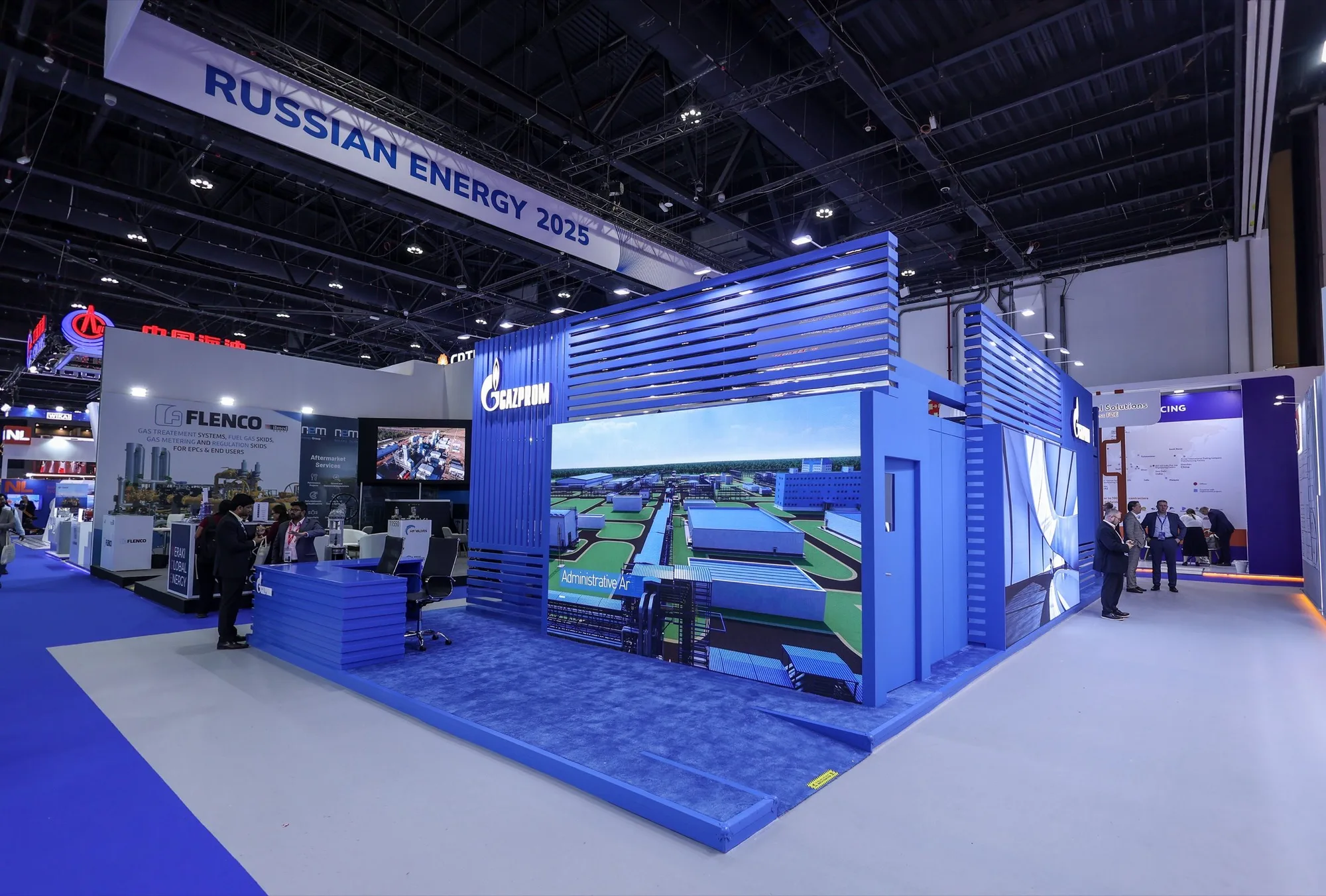
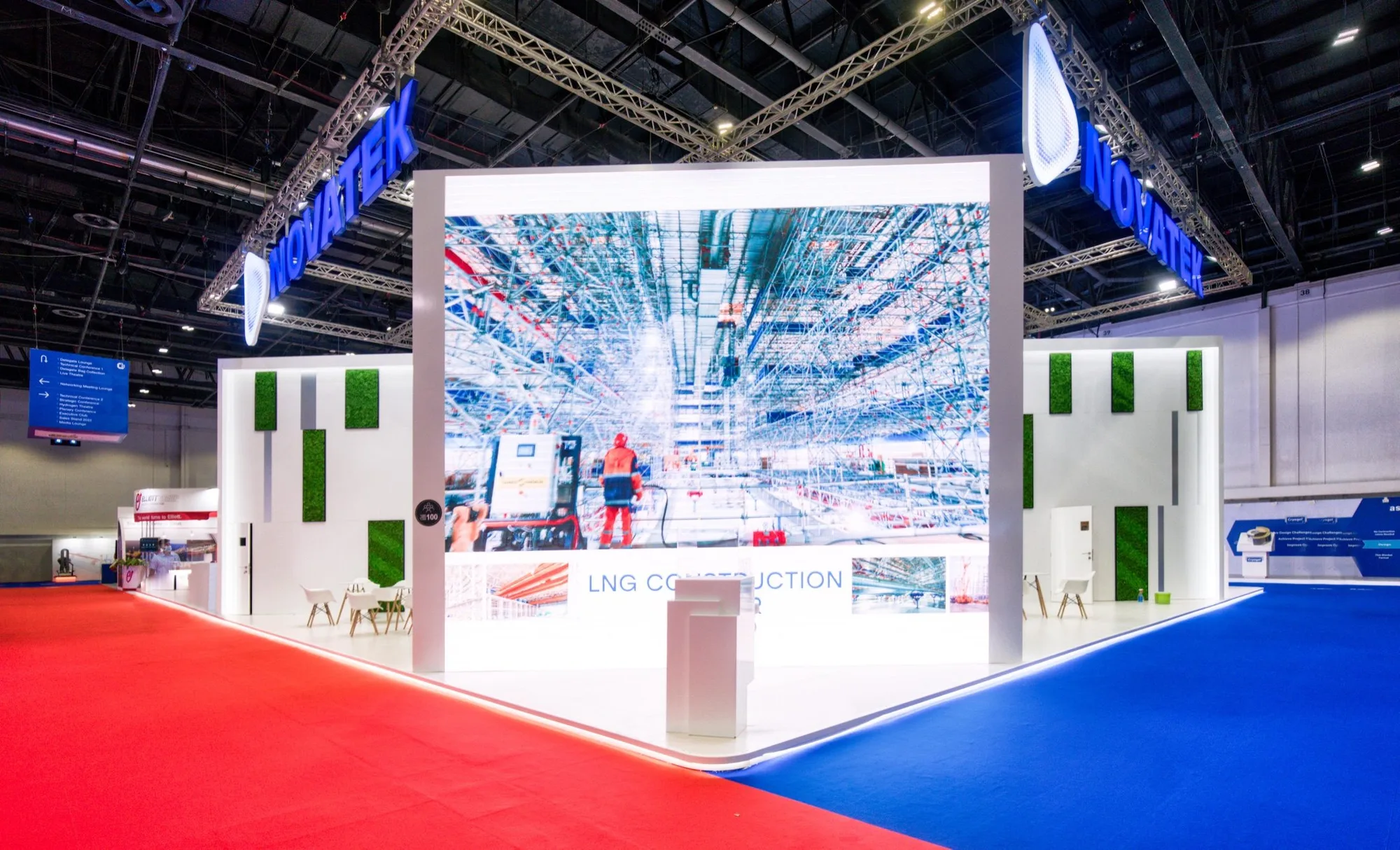
Look for repeat clients, because exhibitors change contractors easily and returning is the strongest signal there is. Look for named clients rather than anonymous renders, and for work at your own show.
Reviews from exhibitors, not from suppliers, are worth reading. So is a company's willingness to name projects that had problems and describe how they were solved.
7. Talk about reuse before you sign
If the stand travels to a second show, the structure has to be designed for it from the first drawing. Retro-fitting reuse into a one-off build is expensive and usually disappointing.
A builder who asks about your next three shows before quoting the first one is planning your budget, not just this stand.
8. Warning signs
A proposal with no technical drawings, only renders. A price with no exclusions listed. A promise that venue approval is 'not a problem'. No named projects at your show. A design that ignores the organiser's height or rigging limits. And a schedule that leaves no margin between approval and build-up.
None of these are fatal on their own. Two or more together usually predict the same outcome: a stressful week, and a stand that is finished during the opening rather than before it.