 ← All insights
The constraint is capacity, not capability
During peak periods, several major Riyadh shows fall within weeks of each other. Workshop capacity, skilled installation crews, transport and accommodation are all being competed for by every other exhibitor at the same time.
The practical consequence is that decisions which would be routine three months out become expensive three weeks out — not because the work is harder, but because the resources to do it are already committed elsewhere.
Sequence the approvals chain first
Work backwards from the organiser's technical submission date. Structural drawings, load calculations, rigging requests and material certifications all need to be lodged and cleared before production begins in earnest.
Build in a revision cycle. A first submission that returns with queries is normal; a programme that assumes first-time approval is a programme with no contingency. Where a design includes double-deck structures, heavy suspended elements or unusual materials, assume scrutiny and allow for it.
Decide where the stand is built, and be explicit about it
Producing regionally and shipping in, or producing locally, is a genuine trade-off rather than a default. Regional production gives tighter quality control and an earlier start; local production shortens the freight chain and reduces exposure to border delays.
Most international projects end up hybrid — precision elements and finishes produced under direct control, bulk structure and consumables sourced closer to the venue. What matters is that the split is decided early and written into the responsibility matrix, because it determines the freight schedule, the customs documentation and who is accountable for a late component.
Treat installation windows as fixed geometry
Build-up periods are shared with every other exhibitor in the hall. Dock access, forklift availability, power activation and hall marshalling all follow the organiser's schedule, not yours.
Plan the installation sequence so that the critical path does not depend on the last delivery arriving first. Crew visas, accommodation and site passes belong on the programme alongside materials — a stand cannot be built by a team that is still clearing entry.
Bring evidence, not promises
When appointing a contractor for a Saudi project, the useful questions are about the last comparable delivery rather than the portfolio. Which venue, which year, which crew, what went wrong and how was it resolved?
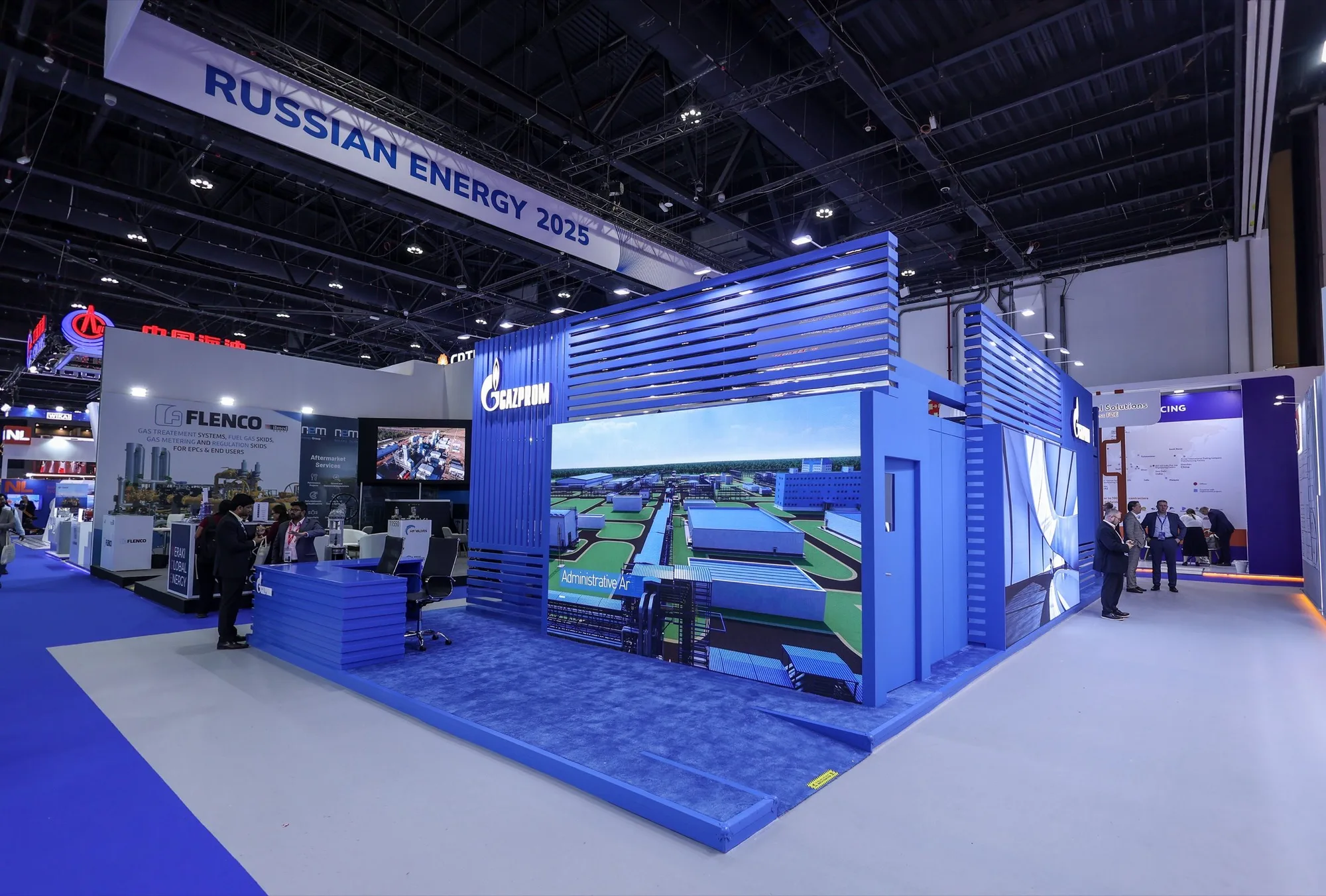
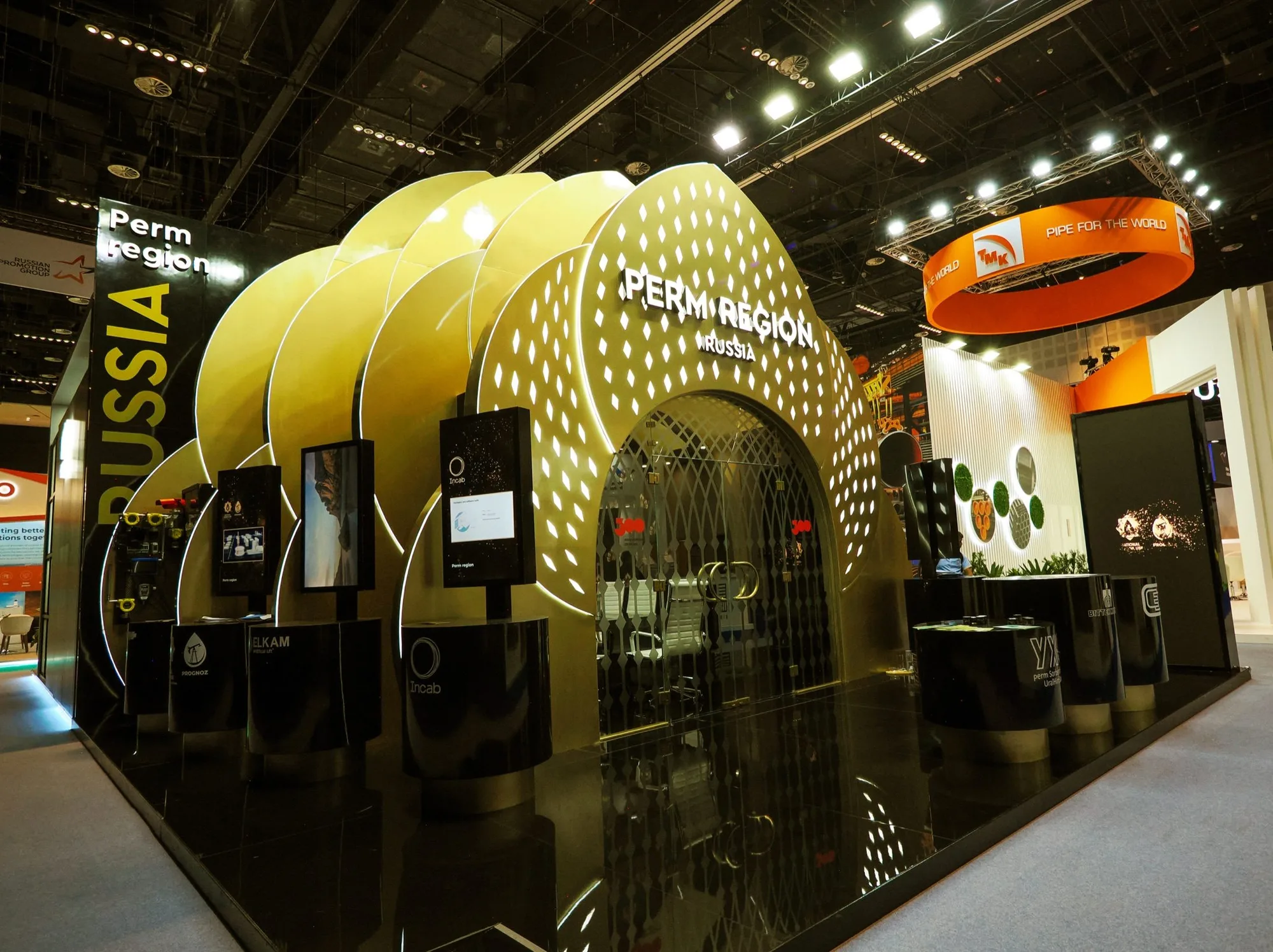
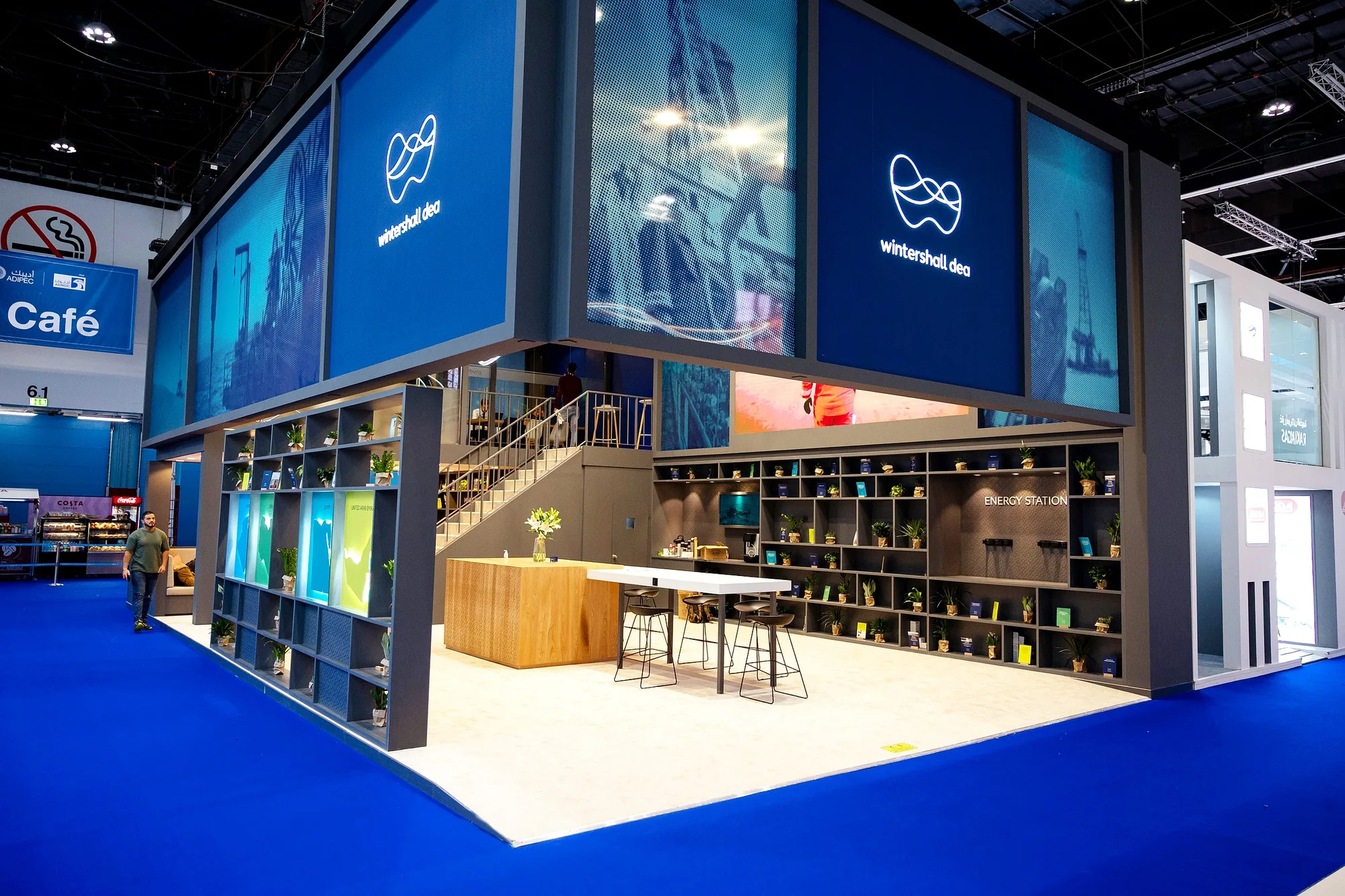
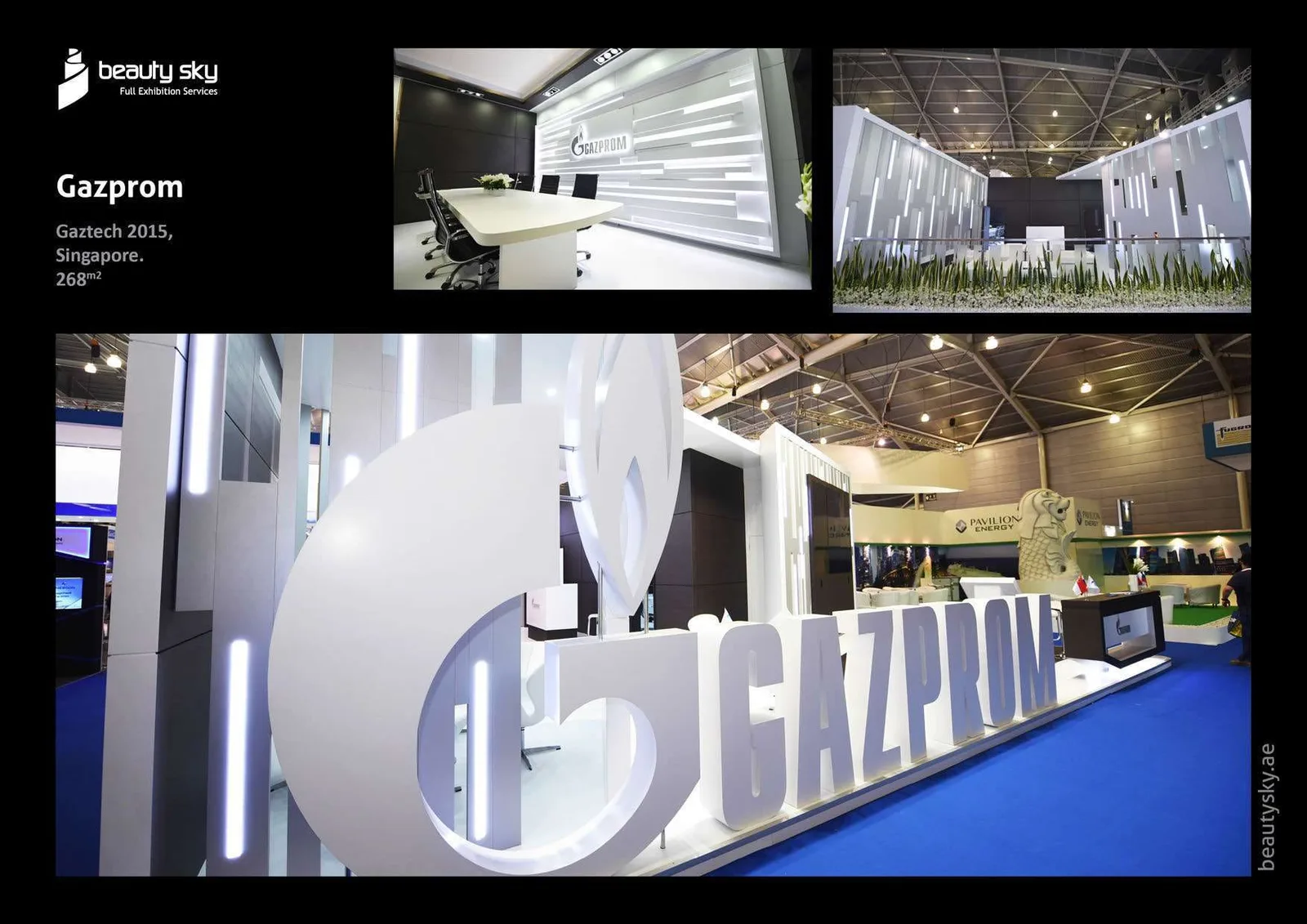
Beauty Sky's regional record in energy and government exhibition environments — including ADIPEC work in Abu Dhabi and the Perm and Gazprom stands — sits behind its Saudi delivery, and the same production and coordination line extends into Riyadh and Jeddah. For agencies who own the creative and need only execution, that capability is available as a build-only appointment.